When I was a child, they used to ask: “What do you want to be when you grow up?” Now I have grown up, and the question is: “What do you want to be when AI takes over?” I have decided: an art handler. However good the machines become, I cannot see museums or collectors entrusting their priceless objects to a drone.
I am already well qualified. Living in Scotland and driving pictures to and from London teaches you all you need to know. This year, I took two large paintings south as teaching aids for my connoisseurship course at the Royal Academy (RA). I squeezed them in the boot, and off I went. Give me enough cardboard and bubble wrap, and I reckon I could move a whole gallery. As Jeremy Clarkson likes to say, how hard can it be? If he and I had been in charge of moving the Bayeux Tapestry, it would have gone in the ferry, in the back of an old Renault 9.
To be clear, I am joking. But it does concern me that we have now made moving art so exacting and expensive that loan exhibitions, the lifeblood of museums, have become almost extinct. The sweet spot for moving art safely and affordably was probably sometime in the 1990s.
A victory for human intelligence
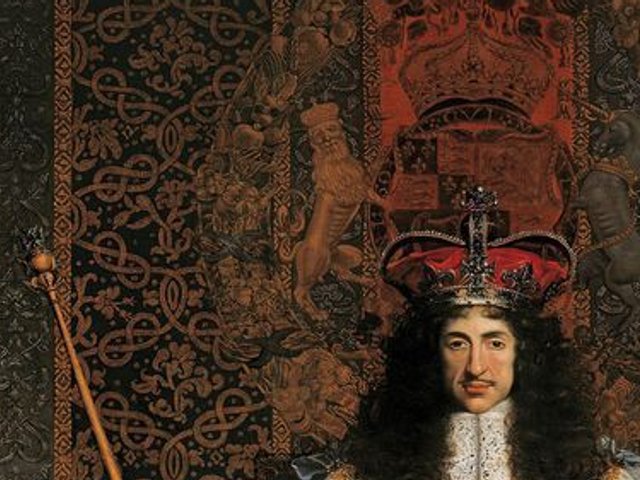
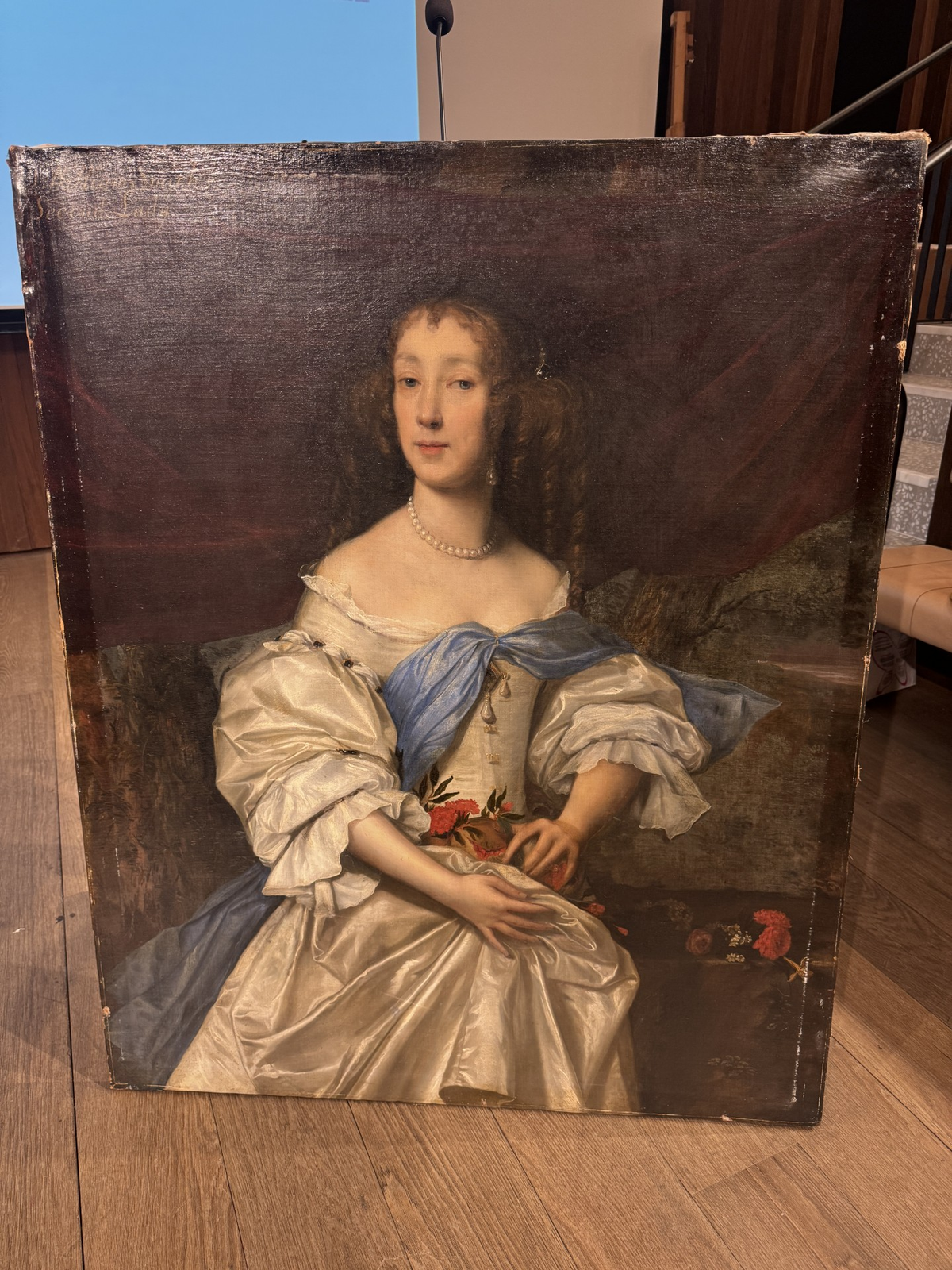
One of the paintings I took to my RA course was a previously unknown mid-17th-century portrait of a woman named Dorothy Hobart. It had come up for auction in a regional sale earlier in the year as “Circle of Peter Lely”. Having been in the possession of the same family ever since it had been painted, and never published or photographed, I thought it would make a good test for the students. I had a hunch it was by John Michael Wright, a little-known but brilliant artist born in London in 1617.
I showed the portrait to the students on the first day of class. The phones came out straight away. But I had foiled them. Google Lens could do no better than the recent auction history: “Circle of Lely”, it parroted.
Artificial intelligence was not much more useful. It can get you to the right area, homing in on artists working in England in the 17th century. Here, it suggested only a range of possible names, including Lely, Mary Beale and Gerard Soest. Nobody’s phone suggested Wright. To my delight, Claude told one student to “ask an expert, like Bendor Grosvenor”. That is one of the problems with AI: it hallucinates.
Instead, we had to rely on intelligence of the old-fashioned, human variety. We toured the National Portrait Gallery to survey 17th-century portraiture, then went to its Heinz Archive, which holds thousands of photos of British portraits. We went through our list of candidates. Lely? Most people thought not. Beale or Soest? No good matches. Then came the eureka moment teachers live for: a student found a Wright portrait with a closely similar pose and an almost identical background.
For the final day, I had arranged a talk by the Dutch art historian Carla van de Puttelaar, who is preparing a monograph on Wright. Did she think our picture was by Wright? She did.
Van de Puttelaar and I think that Wright deserves an exhibition. He has not had one since 1982, at the Scottish National Portrait Gallery. If anyone is interested, I know an art handler.